
ON THIS PAGE
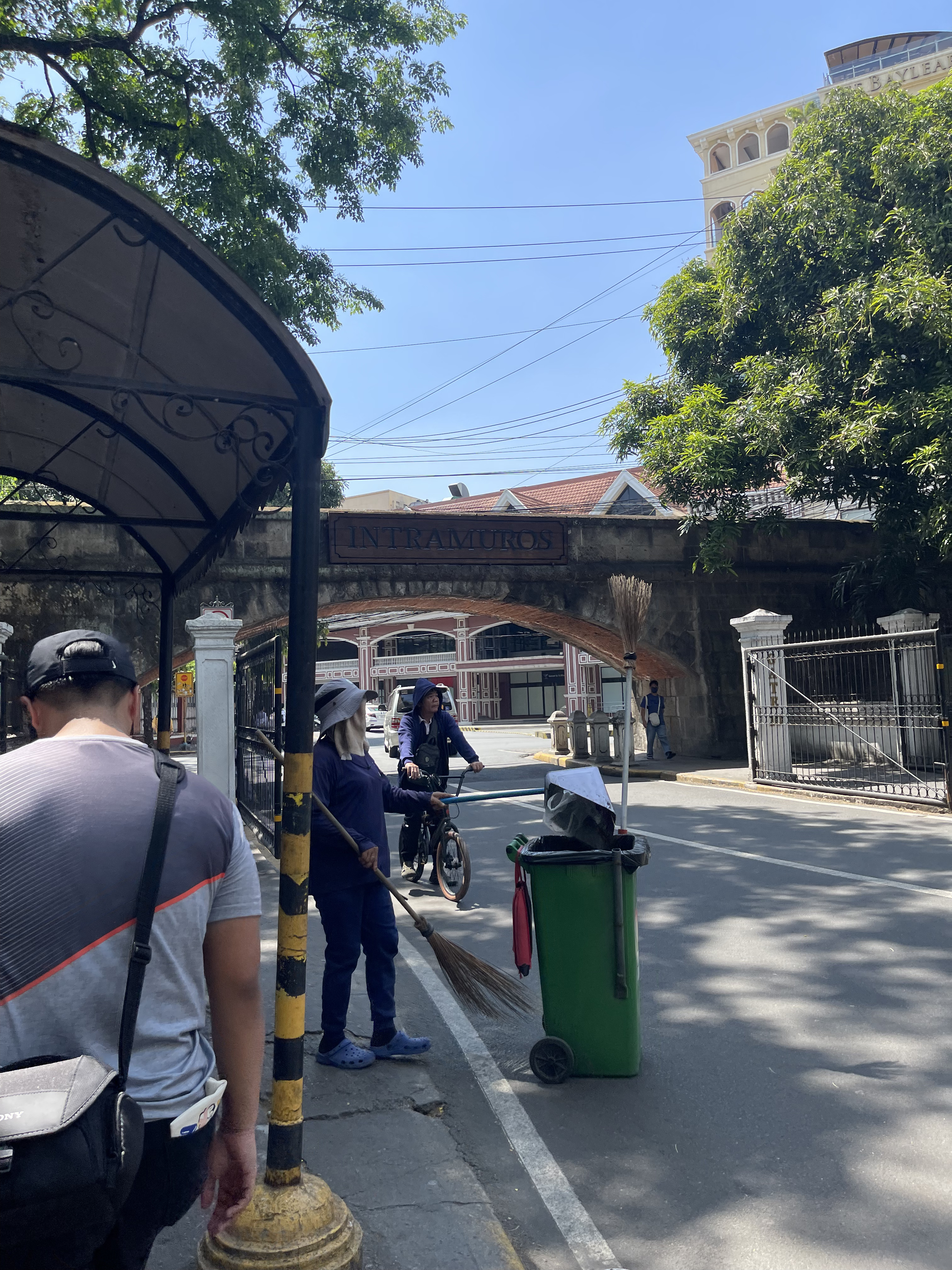
Intramuros
Where heritage streets and traditional transport still meet.
Click to Learn More →
Discover the streets, communities, and cultural spaces where Manila's pedicabs continue to move people and stories.

Pedicabs are more than transportation. They are part of Manila's everyday culture and community life.
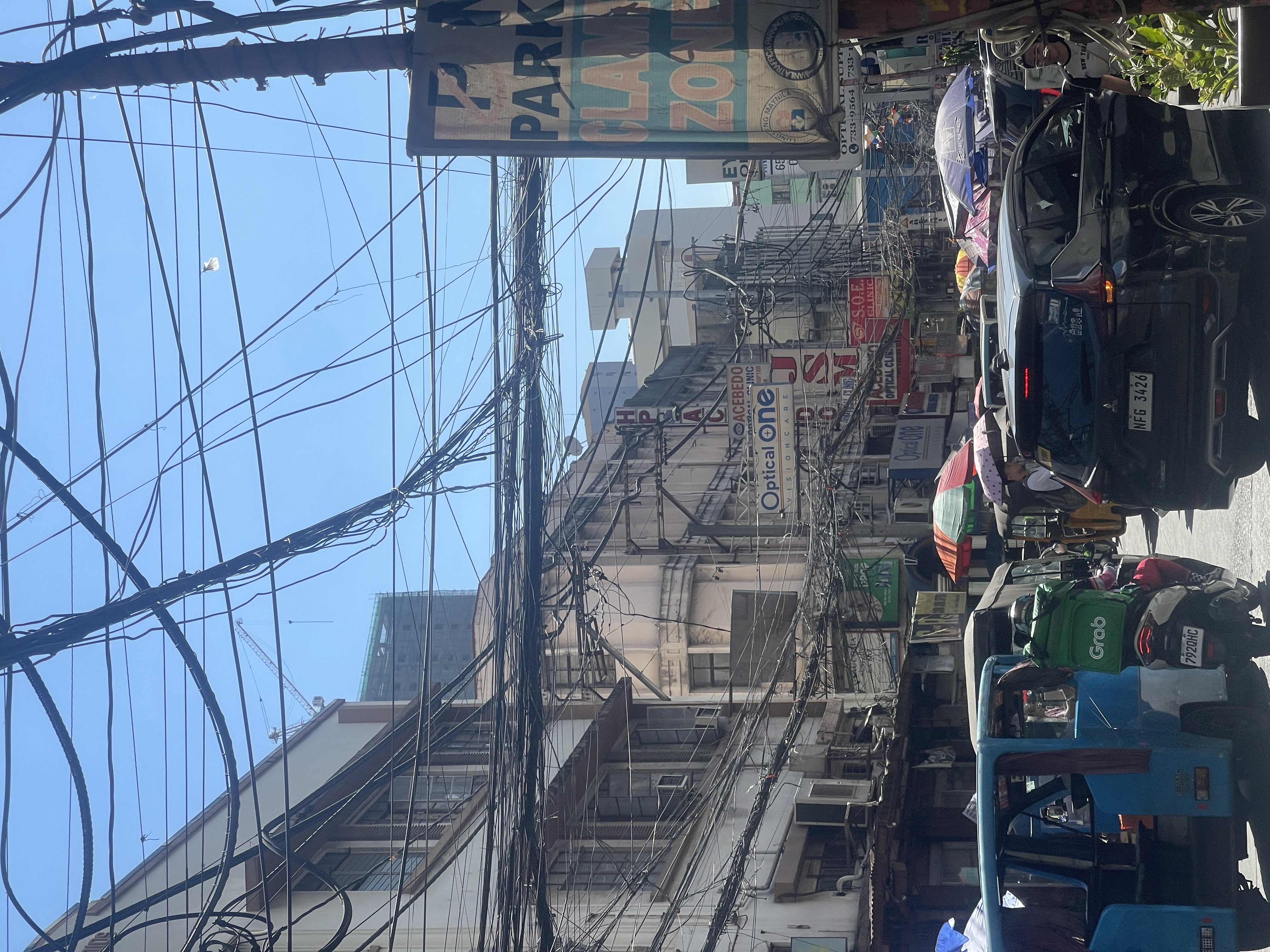
In many narrow streets, heritage districts, and local neighborhoods, pedicabs continue to provide accessible transport while preserving a tradition born of mobility that has locally disappeared in other parts of the city.
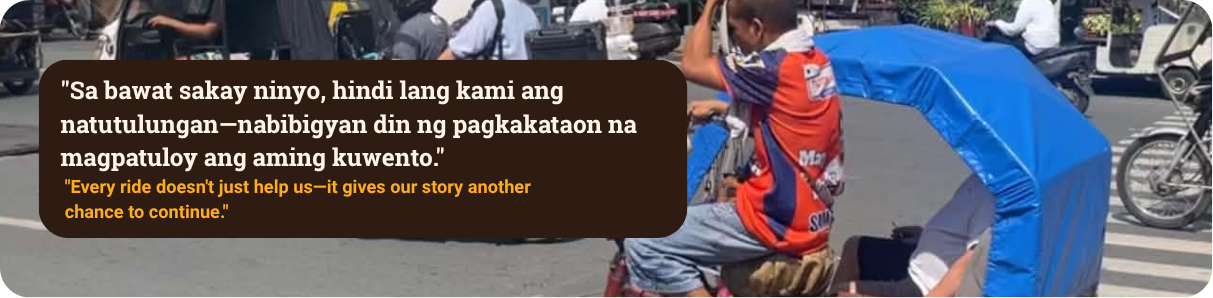
By riding a pedicab, visitors not only experience a different side of Manila—they also help support drivers and keep this local culture alive.
Explore some of Manila's districts where pedicabs continue to serve communities, preserve traditions, and offer visitors a unique way of experiencing the city.
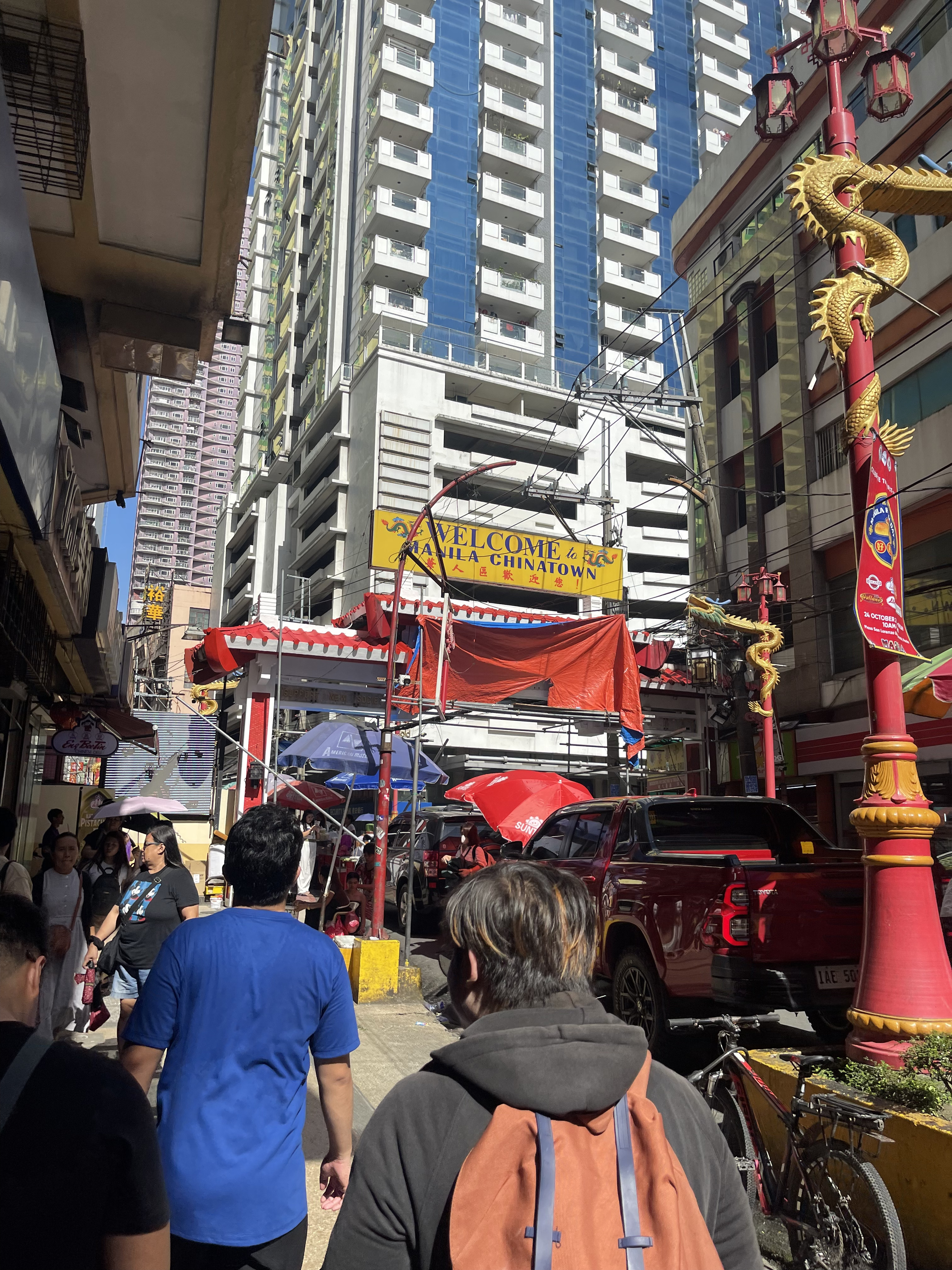
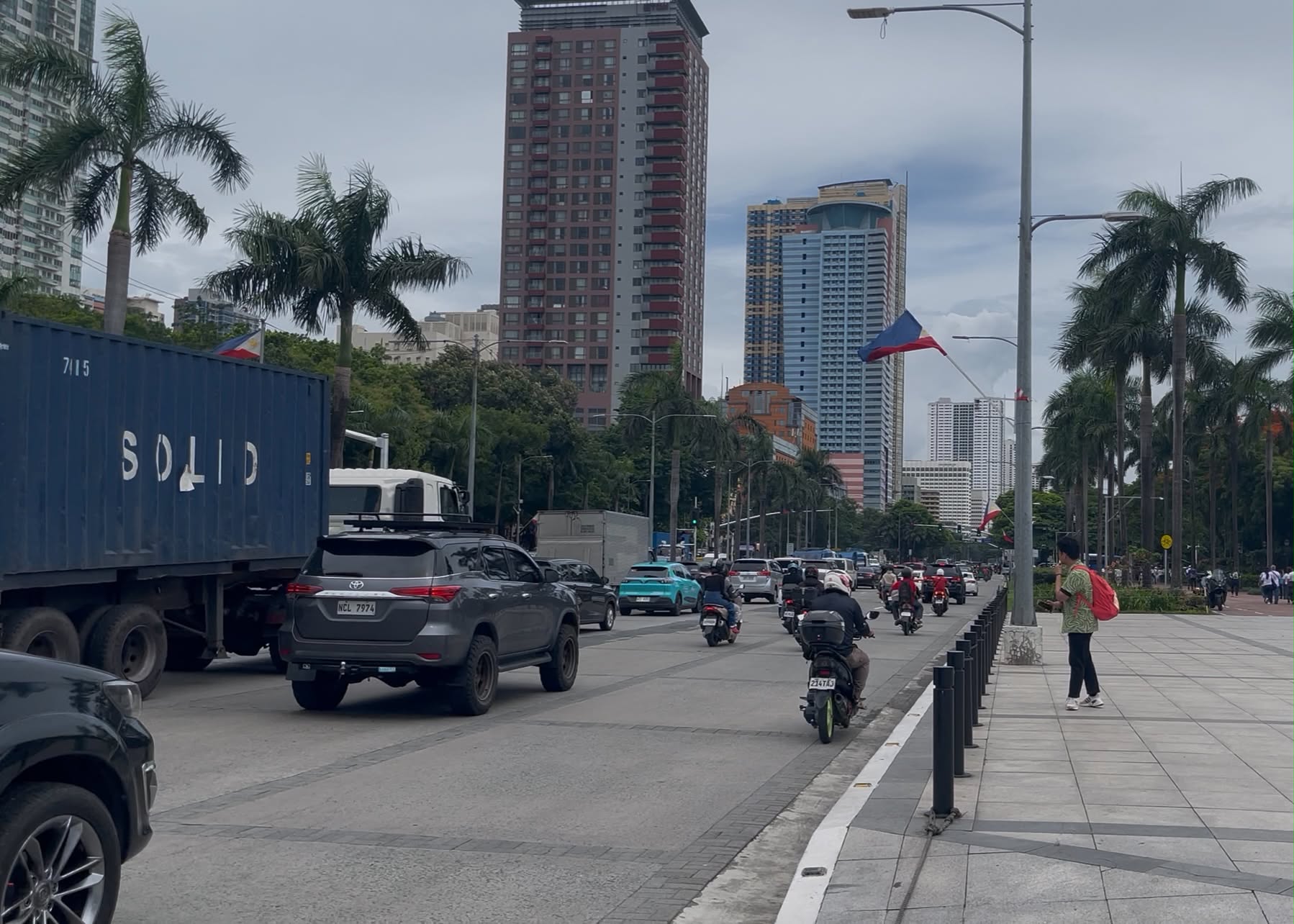
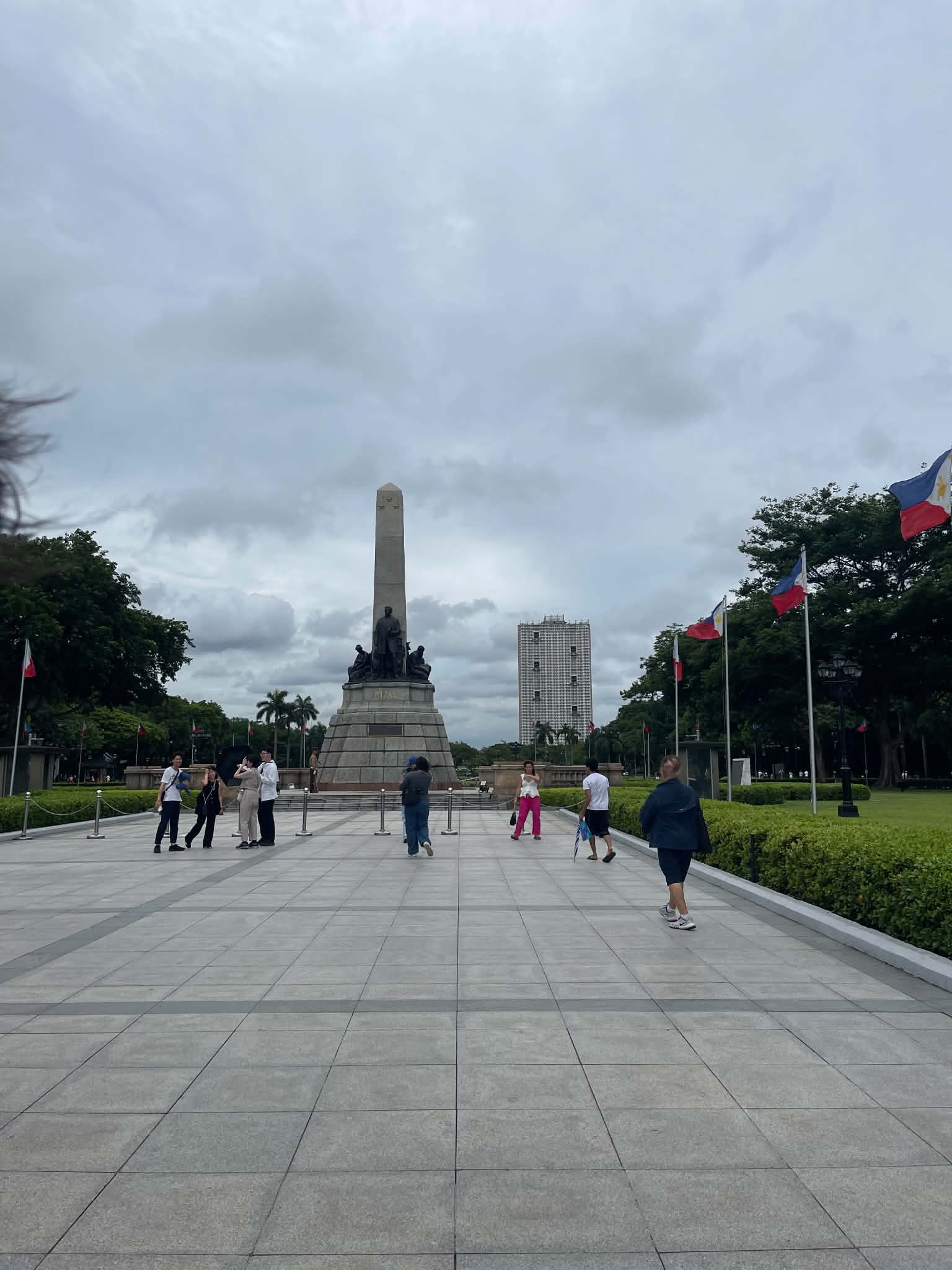
Every ride offers more than transportation—it lets you experience Manila's streets, people, and culture from a perspective that larger vehicles simply cannot provide.
Pedicabs allow passengers to experience neighborhoods at a slower and more personal pace.
Pedicabs remain useful in narrow streets, flooded areas, and short-distance travel.
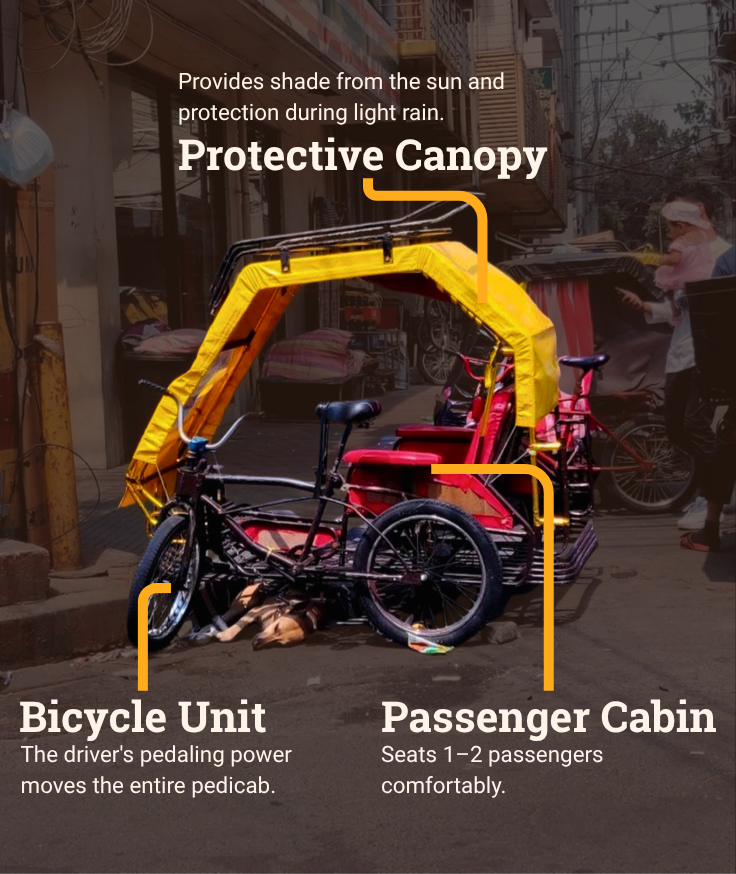
Pedicab rides often involve direct interaction and familiarity between drivers and passengers.
Riding a pedicab supports a transportation culture deeply connected to Manila's history and communities.
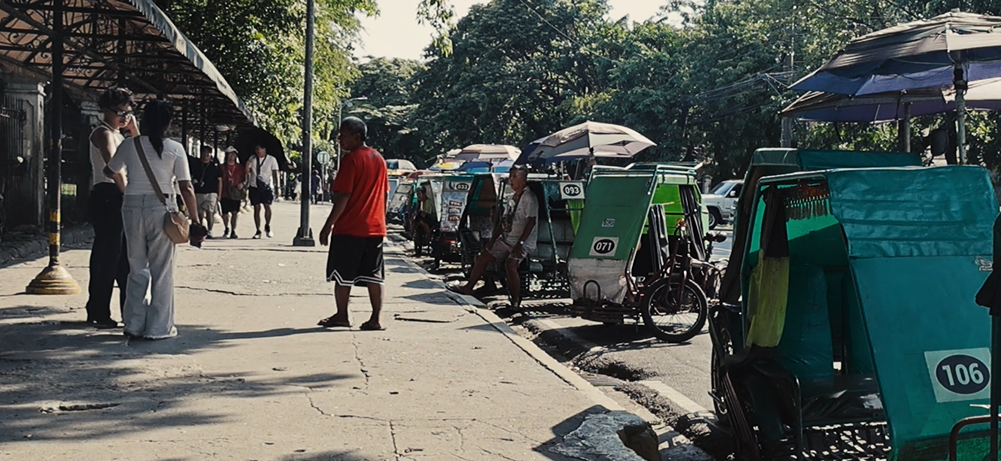
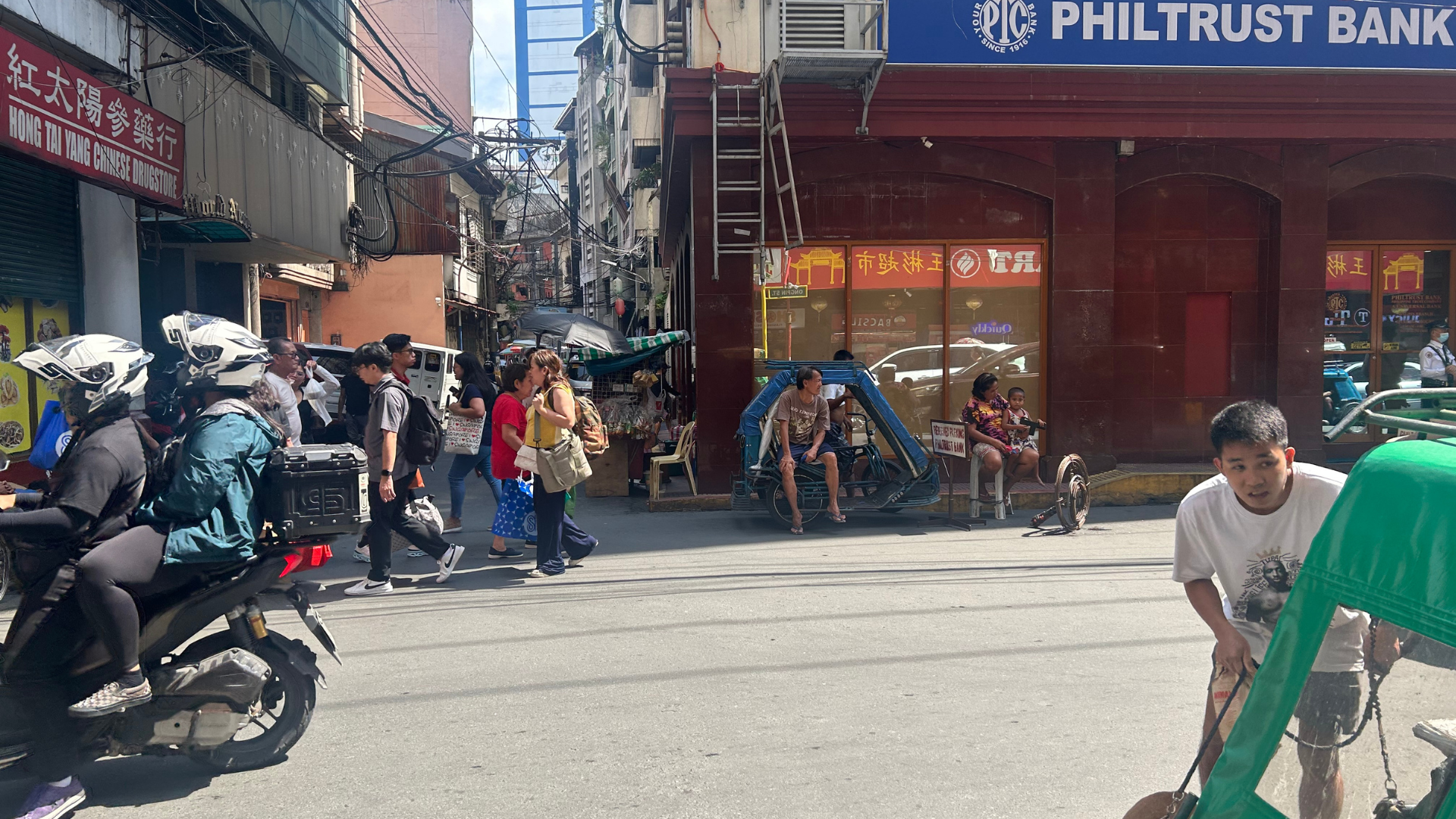
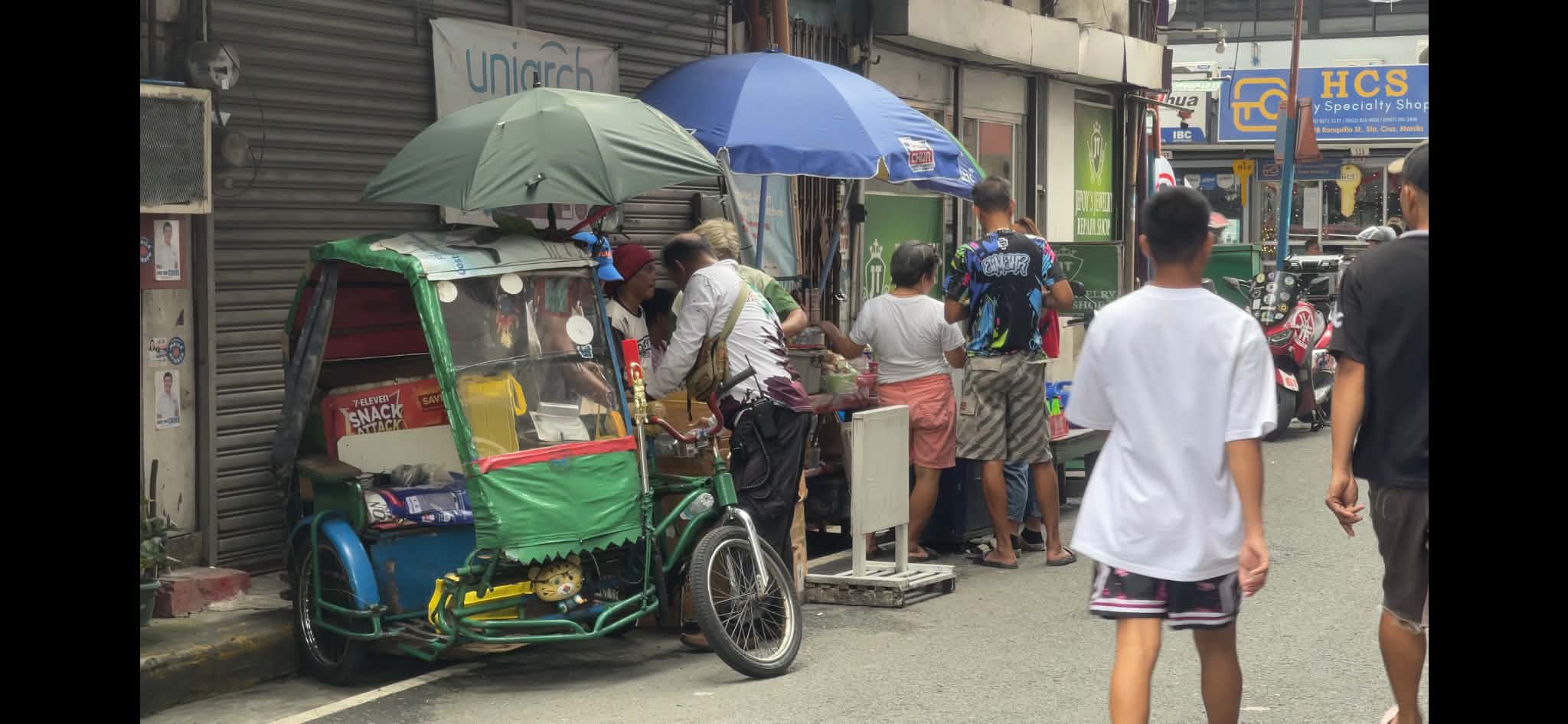
Throughout our field documentation, several waiting areas were observed across Metro Manila where pedicab drivers gather while waiting for passengers. These locations range from organized terminals to informal roadside spaces, demonstrating how pedicab operations adapt to different urban environments and community needs.