
Pedicabs – Kuwentong Pedicab

ABOUT PEDICABS

More than transportation, a moving part of Filipino community life.

For decades, pedicabs have remained part of everyday transportation in many Filipino communities. Beyond mobility, they reflect local culture, accessibility, livelihood, and the rhythm of neighborhood life in Manila.

Philippine Pedicab
INTRODUCTION

WHAT IS A PEDICAB?

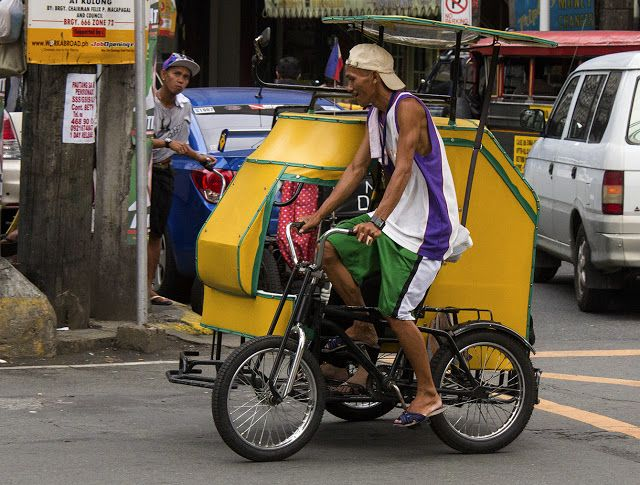
A pedicab is a human-powered or bicycle-assisted transportation vehicle commonly used for short-distance travel within communities. In the Philippines, pedicabs are known for their sidecar design and their ability to navigate narrow streets and densely populated areas.

HISTORICAL OVERVIEW

HISTORY OF PEDICABS IN THE PHILIPPINES

The history of pedicabs in the Philippines reflects how local transportation evolved alongside changing economic conditions, urban development, and community needs. While their role has changed over the decades, pedicabs continue to remain an important part of neighborhood mobility.

Mid-1900s

Origins and Early Evolution

Pedicabs emerged in the mid-20th century as bicycle-attached sidecars, adapting Asian cycle-rickshaws for Filipino residential communities.

1960s–1970s

The Shift to Motorized Tricycles

During the 1960s and 1970s, motorcycle engines were increasingly adopted, improving speed and travel range while gradually transforming many pedicab services into motorized tricycles.

1980s

Economic Crisis and Pedicab Revival

Economic difficulties during the 1980s encouraged many Filipinos to return to pedal-powered pedicabs as an affordable livelihood and transportation alternative.

Today

Livelihood, Tourism, and Regulation

Today, pedicabs continue serving communities as environmentally friendly transportation while local government units regulate their operation to balance mobility and traffic management.

DISTINCTIVE FEATURES

WHAT MAKES PHILIPPINE PEDICABS UNIQUE?

While pedal-powered transportation exists in many countries, Philippine pedicabs have evolved with characteristics that reflect the nation's communities, culture, and urban environment.

Sidecar Design

Side-Mounted Sidecar Design

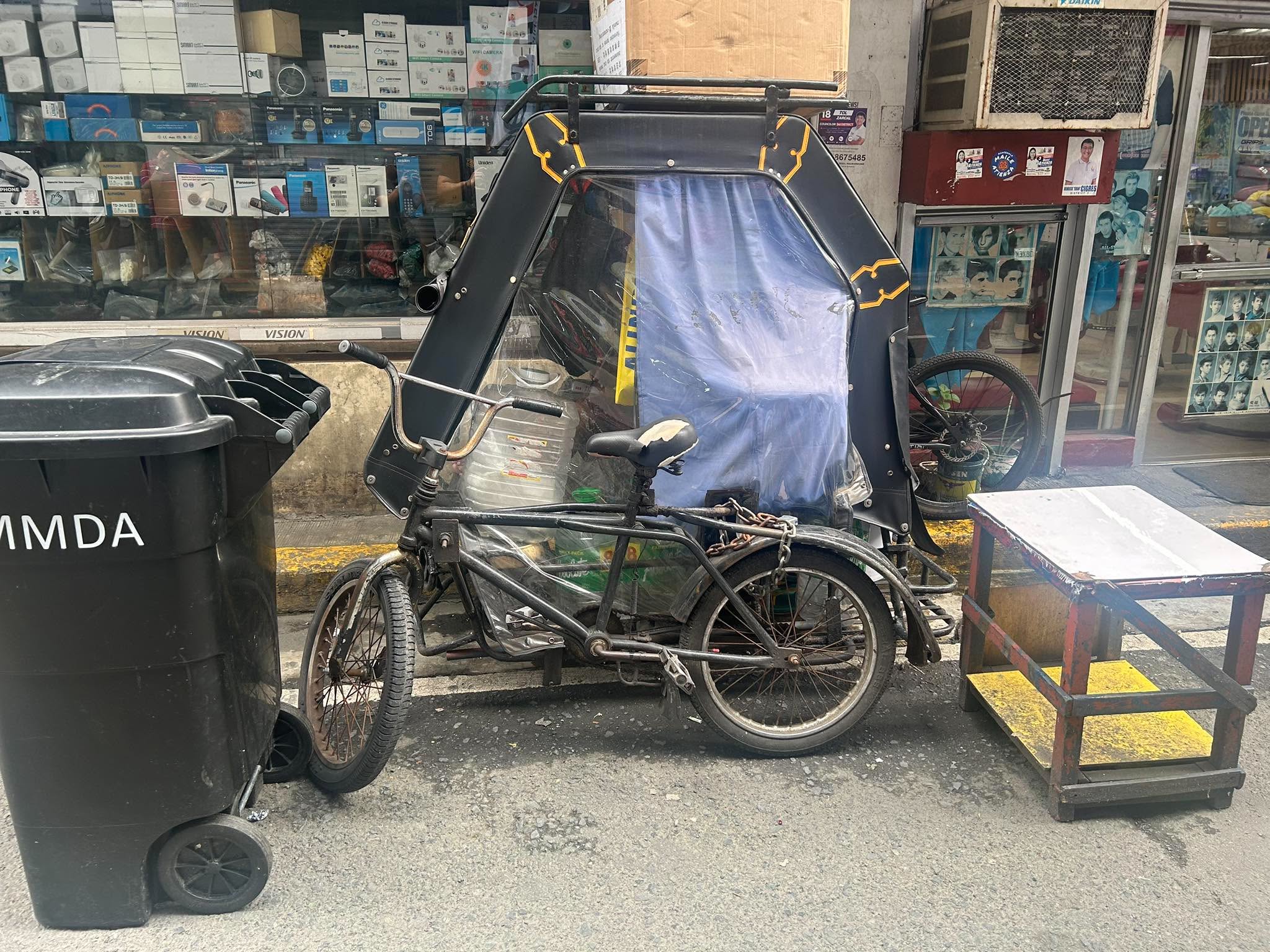
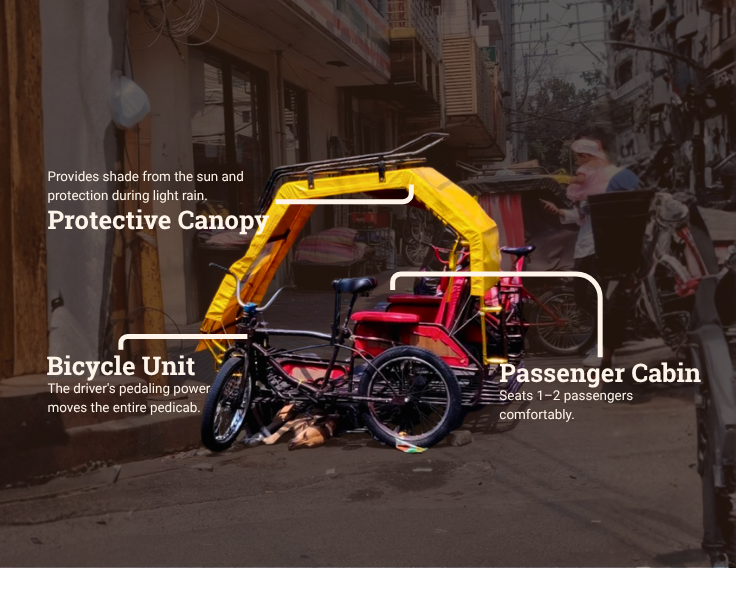
Unlike the rear-seated cycle rickshaws commonly found in countries such as Bangladesh and India, Philippine pedicabs feature a side-mounted passenger cabin. This design improves stability, makes boarding easier, and accommodates passengers and cargo within narrow neighborhood streets.

Neighborhood Streets

Built for Neighborhood Streets

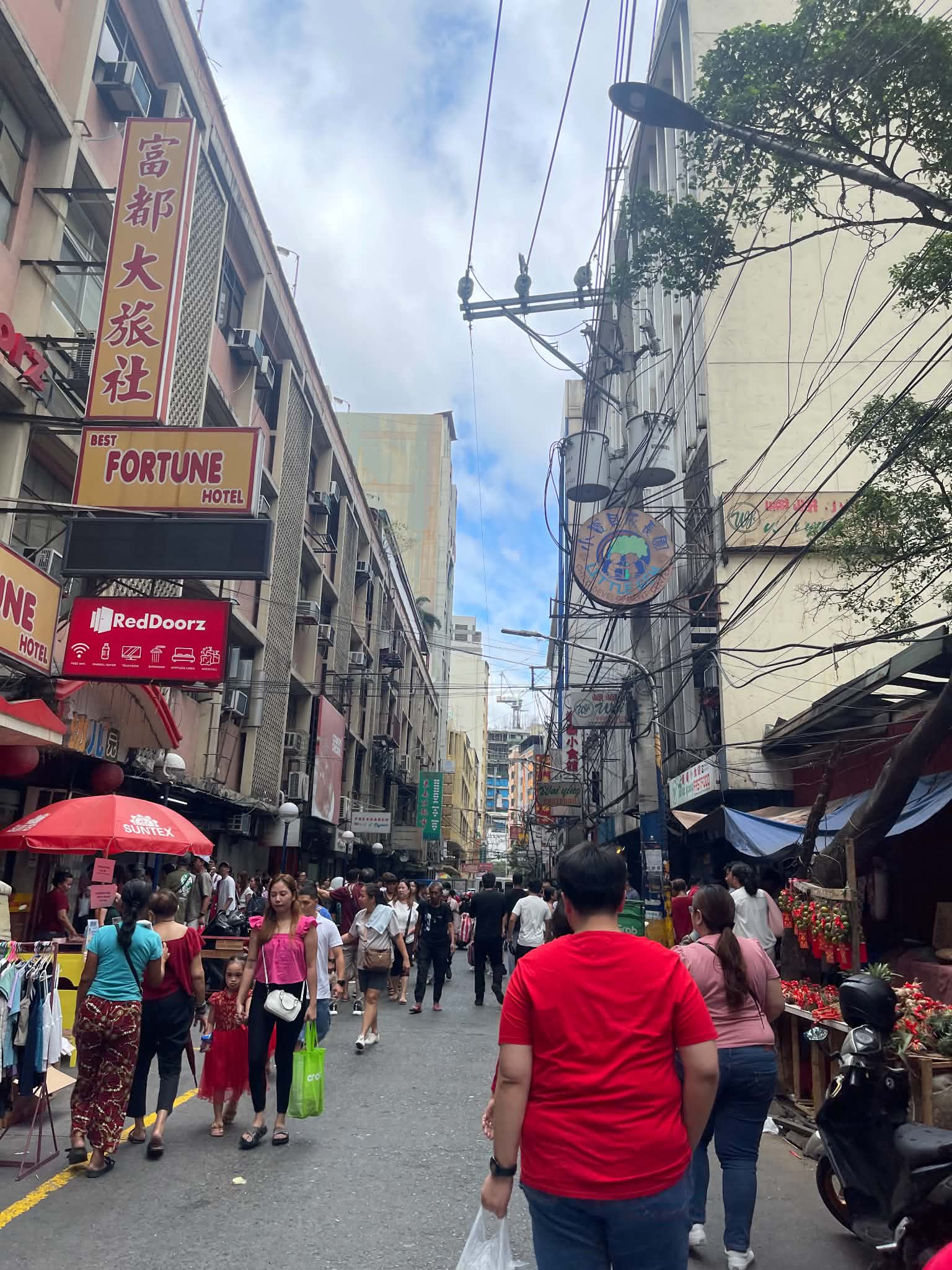
Pedicabs are designed to navigate narrow roads, residential alleys, and community pathways where larger vehicles cannot easily pass. Their compact size makes them an essential form of local transportation.

Community Connection

Strong Community Relationships

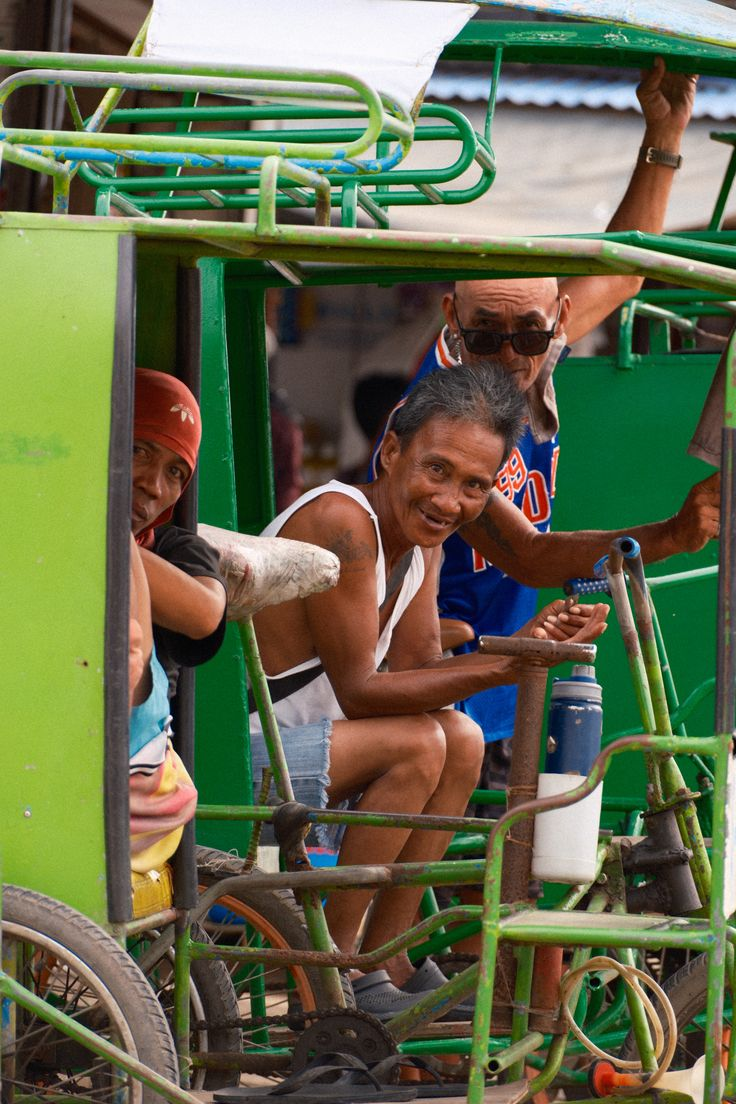
Many drivers personally know their passengers and serve the same neighborhoods every day. This familiarity creates trust and reinforces the pedicab's role as a community-based mode of transportation.

Customized Pedicabs

Handmade & Customized

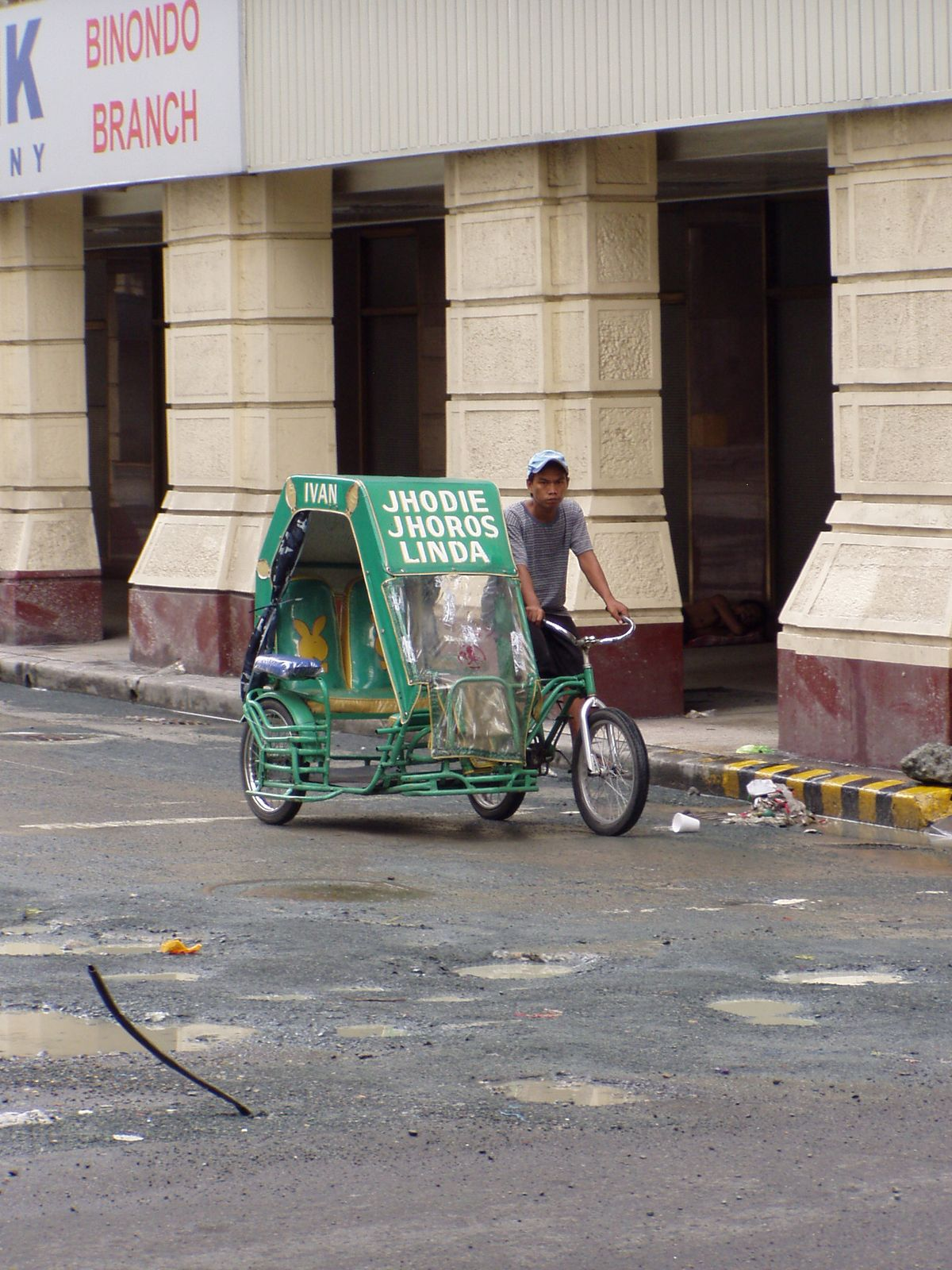
Many pedicabs are locally fabricated and modified by their owners. Drivers often customize roofs, seating, decorations, lighting, and storage based on local needs and personal preference.

Pedicab in the Community
COMMUNITY LIFE

PEDICABS IN EVERYDAY COMMUNITY LIFE

Beyond providing transportation, pedicabs have become a familiar presence in many Filipino neighborhoods. They help residents travel short distances, support local livelihoods, and strengthen everyday connections between drivers and the communities they serve.

From taking children to school and assisting senior citizens with daily errands to carrying groceries and offering rides during emergencies, pedicabs continue to play an important role in the rhythm of community life. Their accessibility and close relationship with residents make them more than a simple mode of transportation—they are trusted partners in everyday mobility.

PRESENT-DAY CHALLENGES

WHY ARE PEDICABS DECLINING?

Although pedicabs continue to serve many communities, their numbers have gradually declined due to rapid urbanization, changing transportation systems, and economic pressures. These challenges threaten not only a traditional mode of transport but also the livelihoods and stories of the people behind them.

🚦

Urban Development

Road expansions, traffic regulations, and modern infrastructure have reduced the areas where pedicabs are allowed to operate.

🛵

Competition from Motorized Transport

Motorcycles, tricycles, ride-hailing services, and public transportation often provide faster alternatives, reducing demand for pedicab services.

💰

Economic Challenges

Rising living costs and limited daily earnings make it difficult for many drivers to continue relying solely on pedicab operations.

👥

Fewer New Drivers

Younger generations often pursue different careers, resulting in fewer people entering the pedicab industry.

Learn more about these challenges and hear directly from pedicab drivers in our Daily Life page.

Explore Daily Life →
PRESERVING A LIVING HERITAGE

WHY PEDICABS STILL MATTER

Pedicabs are more than a means of transportation—they represent decades of history, hard work, and community spirit. They have connected neighbors, supported families, and provided accessible mobility in places where larger vehicles cannot easily reach.

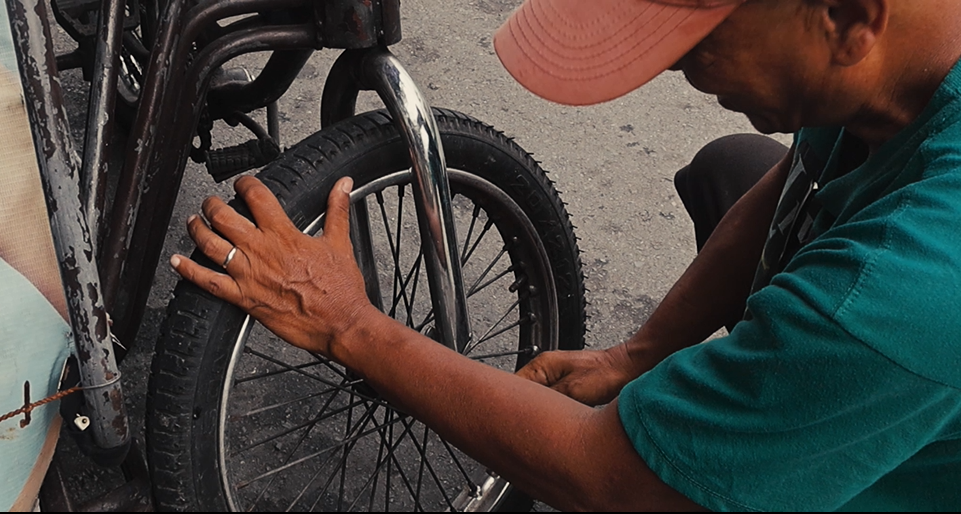
As cities continue to modernize, preserving the stories of pedicab drivers becomes just as important as preserving the vehicles themselves. Every ride reflects resilience, local identity, and the everyday experiences that shape Filipino communities.

Explore Driver Stories
Pedicab Driver
CONTINUE THE JOURNEY

EXPERIENCE PEDICAB CULTURE IN MANILA

Discover the stories, traditions, and everyday experiences behind one of the Philippines' most recognizable forms of community transportation. Continue exploring the lives of pedicab drivers and learn how you can help preserve this important part of Filipino culture.

Take a Ride 🚲
ON THIS PAGE

Explore the About Pedicabs Page

×

Research Sources

  1. https://share.google/I6c3W216RSaSekV0Z
  2. https://share.google/6ZleDesE97Myip0ax
  3. https://share.google/PsJTA7oQrecSIVNZk
  4. https://share.google/sNkm0i2nBjMz0UxhY
  5. https://share.google/uX0mnINYermUjnzhE
Take a Ride 🚲
×

COMMUNITY
STORIES

Memories, experiences, and reflections about pedicabs and traveling in Manila.

Pedicabs are part of many people's daily lives, memories, and communities. Share your experience, reflection, or story about riding a pedicab.

Rhyne

Location: Manila

Yup

Rhyne

Location: Manila

Hello

×